

Home renovation can be an exciting adventure, transforming the interior design of your abode into a fresh and stylish environment. However, your renovation is finally done — the fresh paint is dry, the new furniture has arrived, and your home looks just the way you dreamed it. But there’s something you might not see (or smell right away) that could affect your health: formaldehyde.
Formaldehyde is a common chemical found in adhesives, paints, pressed wood furniture, and varnishes. After renovations, it can be released into the air in your home — a process known as “off-gassing.” Prolonged exposure may cause irritation, headaches, or other health concerns.
Here are essential tips to remove formaldehyde and keep your home safe and fresh after renovations.
1. Ventilation Is Your Best Friend
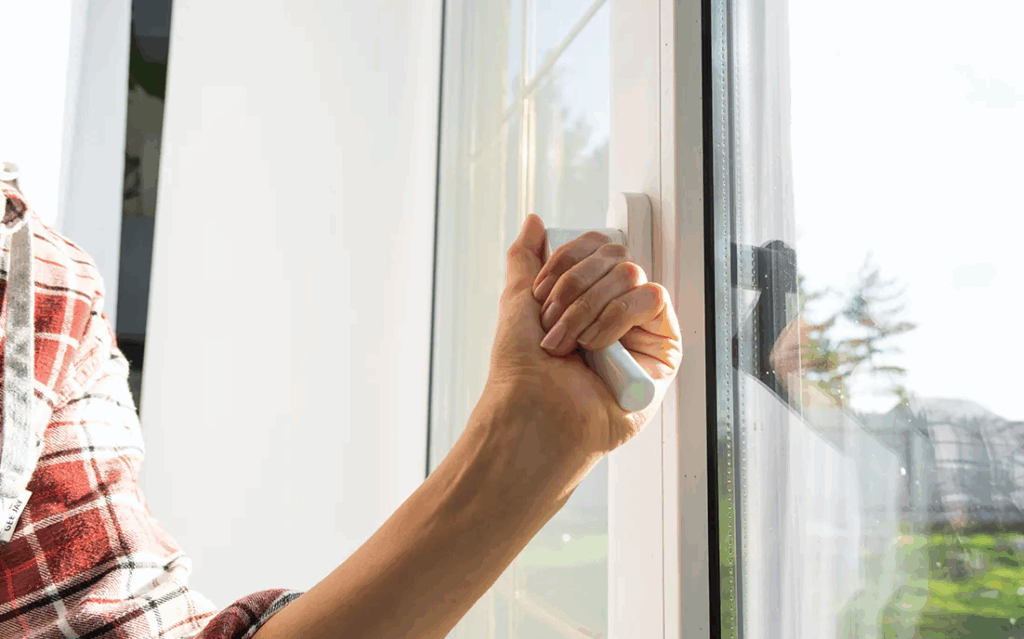
The simplest and most effective way to reduce formaldehyde is to air out your home.
- Keep windows and doors open as much as possible in the first few weeks.
- Use fans to create cross-ventilation and push out stale air.
- Run your air conditioning in “ventilate” or “fresh air” mode if available.
2. Use an Air Purifier with Activated Carbon
HEPA filters alone don’t remove formaldehyde. Look for purifiers that include activated carbon or charcoal filters, which are highly effective at absorbing harmful gases.
- Place one in the living room and bedrooms where you spend the most time.
- Change filters regularly to maintain effectiveness.
3. Control Temperature & Humidity
Formaldehyde is released more quickly in warm and humid environments.
- Keep indoor temperatures cool with air conditioning or fans.
- Use a dehumidifier to maintain humidity at around 40–50%.
- Avoid drying clothes indoors during the initial post-renovation phase.
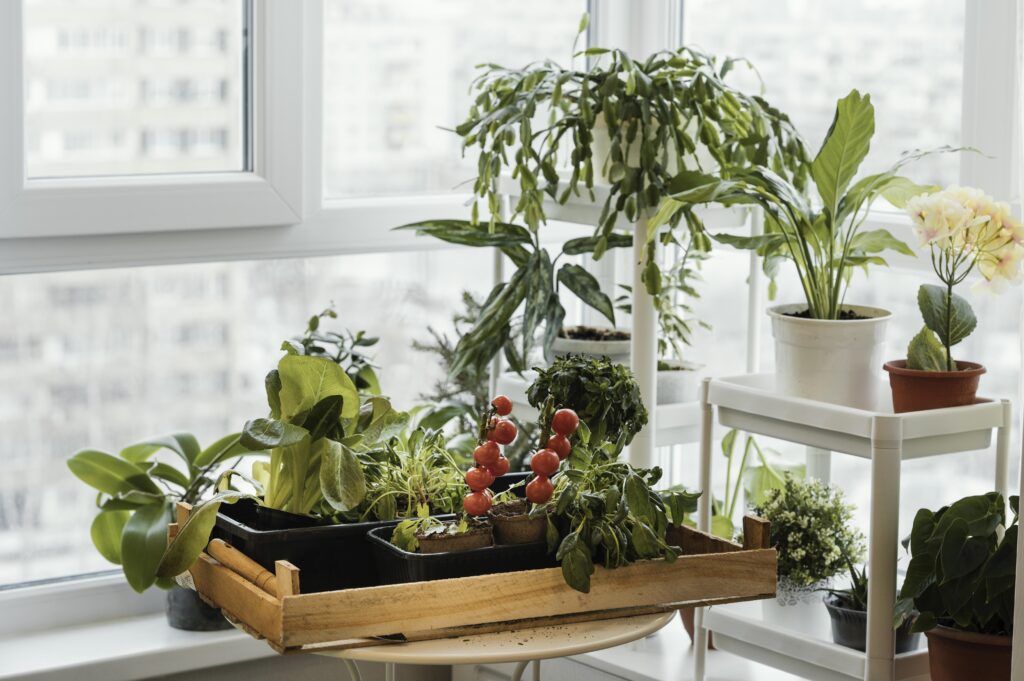
4. Bring in Formaldehyde-Absorbing Plants
Nature can lend a hand! Certain houseplants are known to help absorb harmful chemicals and improve indoor air quality.
Top picks include:
- 🌿 Spider Plant
- 🌿 Areca Palm
- 🌿 Boston Fern
- 🌿 Peace Lily
They not only filter the air but also bring life and vibrancy to your newly renovated home.
5. Choose Low-VOC & Eco-Friendly Materials
The best way to fight formaldehyde is to prevent it from entering your home in the first place.
- Opt for low-VOC (Volatile Organic Compounds) paints and finishes.
- Buy furniture certified for low emissions, such as GREENGUARD-certified pieces.
- When possible, choose solid wood furniture instead of particle board or MDF.
Wizlah Tip: When shopping on Wizlah Marketplace, look out for furniture eco-friendly and sustainable options.
6. Give It Time Before Moving In
If possible, avoid moving into your renovated space immediately. Allow at least 2–4 weeks of airing out before settling in, especially if you have children, elderly family members, or pets.
Final Thoughts
Formaldehyde may be invisible, but the good news is—it doesn’t have to stay in your home forever. With proper ventilation, smart product choices, and healthy design strategies, you can clear the air and enjoy your beautiful new space with peace of mind.