
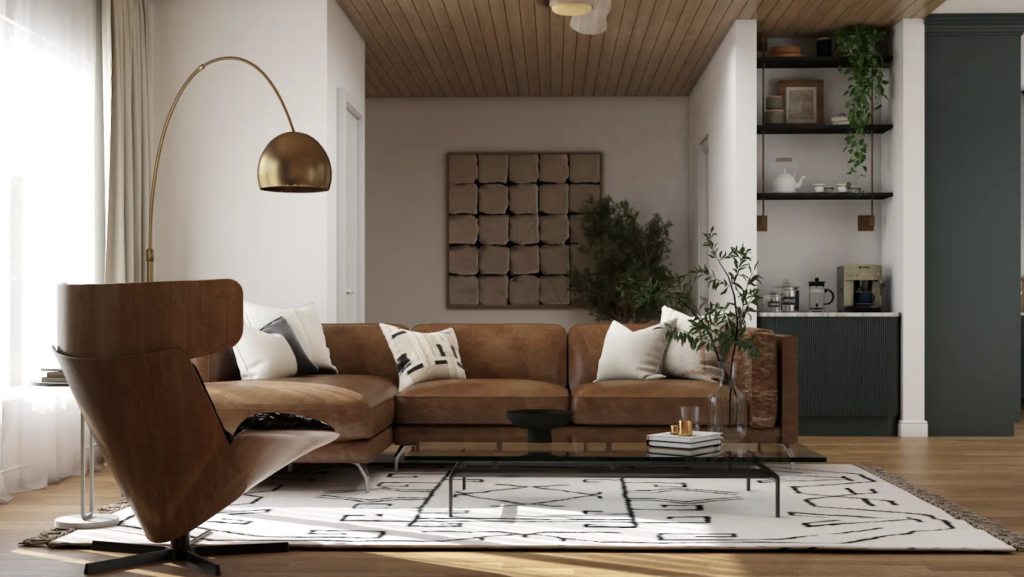
Starting your interior design journey can feel overwhelming — too many ideas, too many Pinterest boards, and too many decisions. But creating a beautiful, functional home doesn’t have to be complicated. With the right framework, you can transform any space with confidence and clarity.
Here are 7 practical, tried-and-tested steps to help you kick-start your interior design process — whether you’re refreshing a room or designing a brand-new home.
1. Audit Your Space
Before you shop for furniture or paint samples, take a good look at what you already have.
Observe your space at different times of the day. Note how natural light flows, what feels cramped, and what feels empty. Identify problem areas — awkward corners, narrow walkways, or furniture that no longer suits your lifestyle.
Ask yourself:
- What works in this room?
- What needs to go?
- What is missing for it to function well?
A proper audit gives you clarity and stops you from making impulse purchases you’ll regret later.
2. Choose a Mood, Not a Style
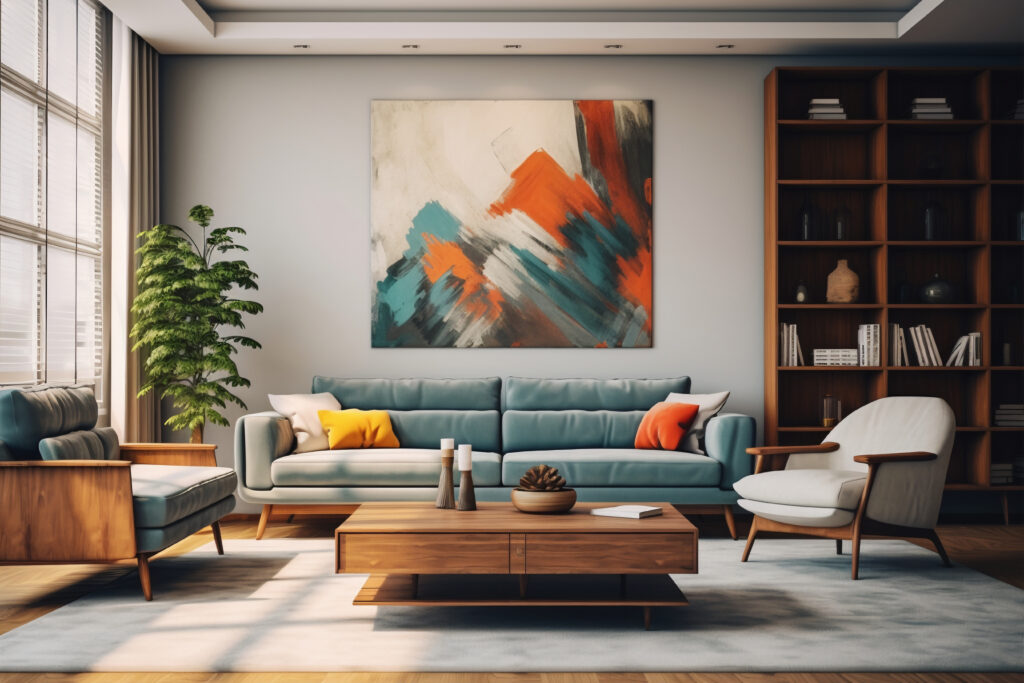
Instead of locking yourself into a specific design style like Scandinavian or Industrial, think about the mood you want the room to evoke.
Do you want a calming retreat? A warm and cozy living space? A bright, energizing home office?
Choosing a mood opens up your options and makes the space more personal. It’s also easier to mix pieces across different styles as long as they all support the same emotional tone.
3. Create a Color Story
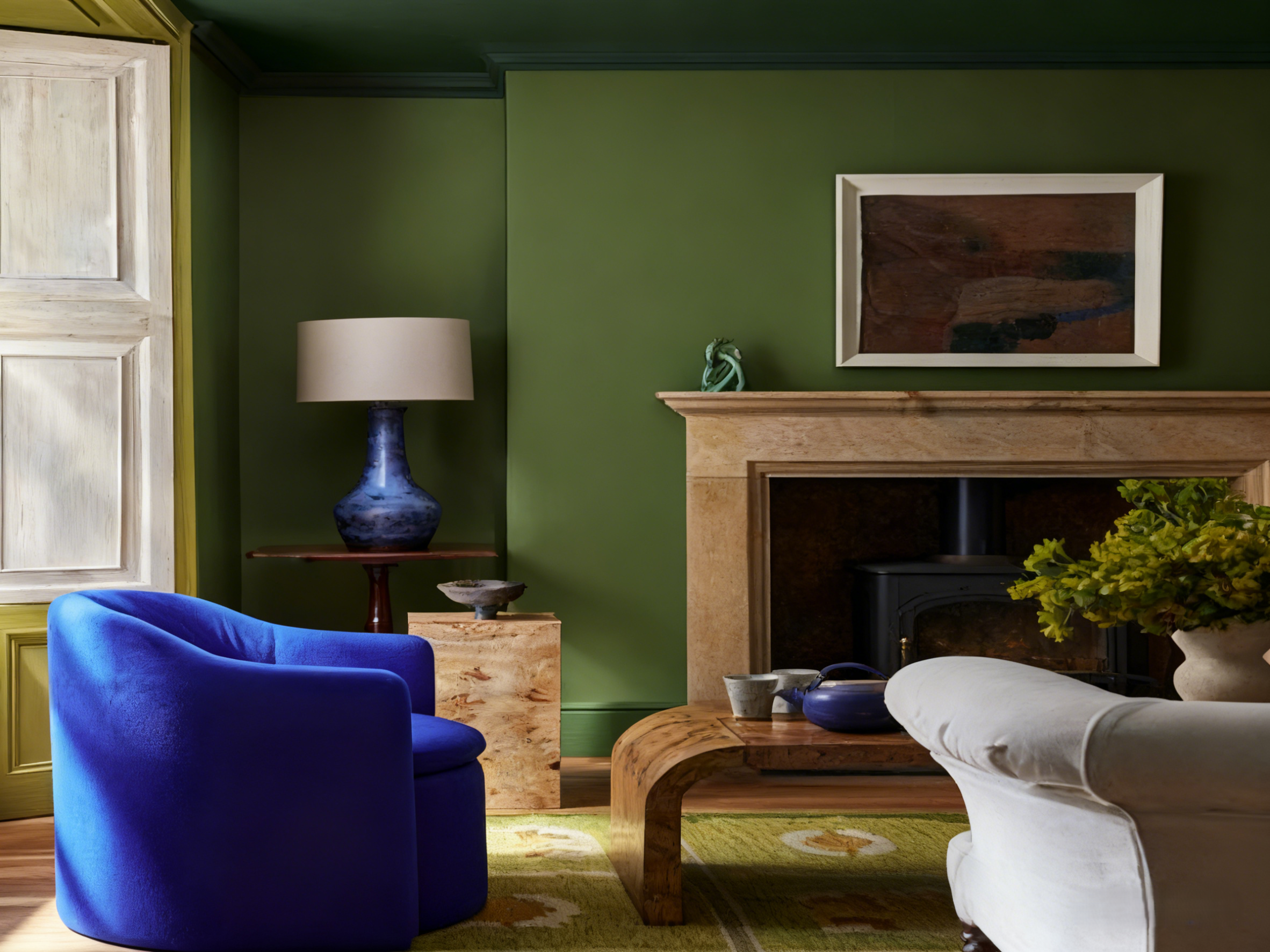
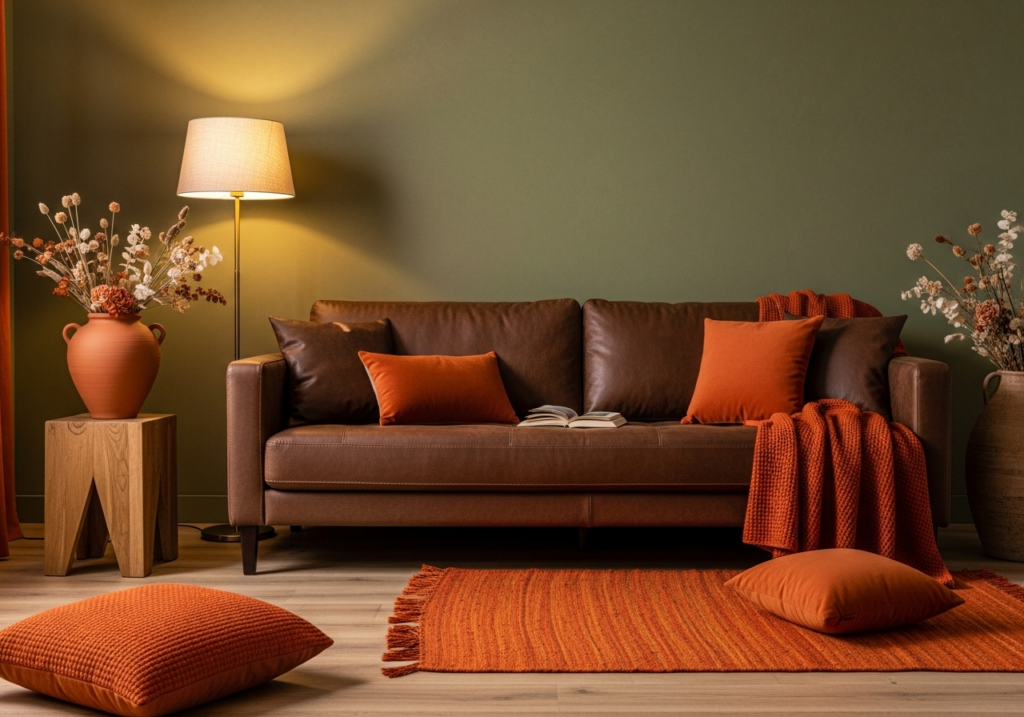
Your color palette sets the foundation for everything else. Start with a base of 2–3 primary tones and add 2–3 accent shades for depth.
When creating a color story, think about:
- The mood you chose
- Natural lighting in the room
- Existing permanent elements like flooring or built-ins
A cohesive palette ensures your entire home feels connected and harmonious — even if every room has a different look.
4. Layout First, Furniture Second
It’s tempting to fall in love with a sofa online, but the layout should come first. Plan how people will move through the space, where the focal point should be, and how the room will be used day-to-day.
Once you get the flow right, choosing furniture becomes much easier — and you avoid buying pieces that are either too big, too small, or simply awkward in the room.
Tools like Wizlah make this step seamless by letting you visualise layouts in 3D and see how pieces fit in real time, long before making any purchases.
5. Start with the Big Pieces
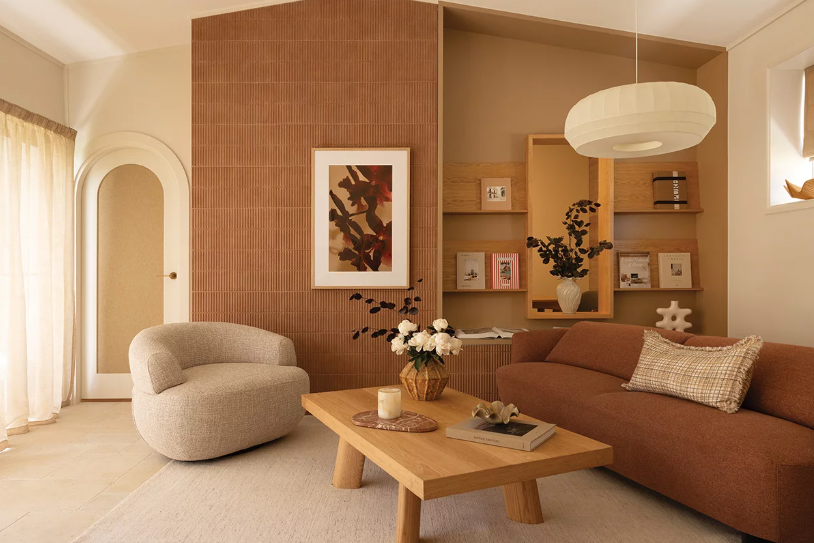
Your major items — sofa, dining table, bed, wardrobe — anchor the room. These are investment pieces, and they influence everything else: the rug size, lighting placement, wall décor, even the throw cushions. Choose your big pieces first, then build around them.
Think of them as the foundation of your design. When they are right, the rest of the room practically designs itself.
6. Layer Textures and Patterns
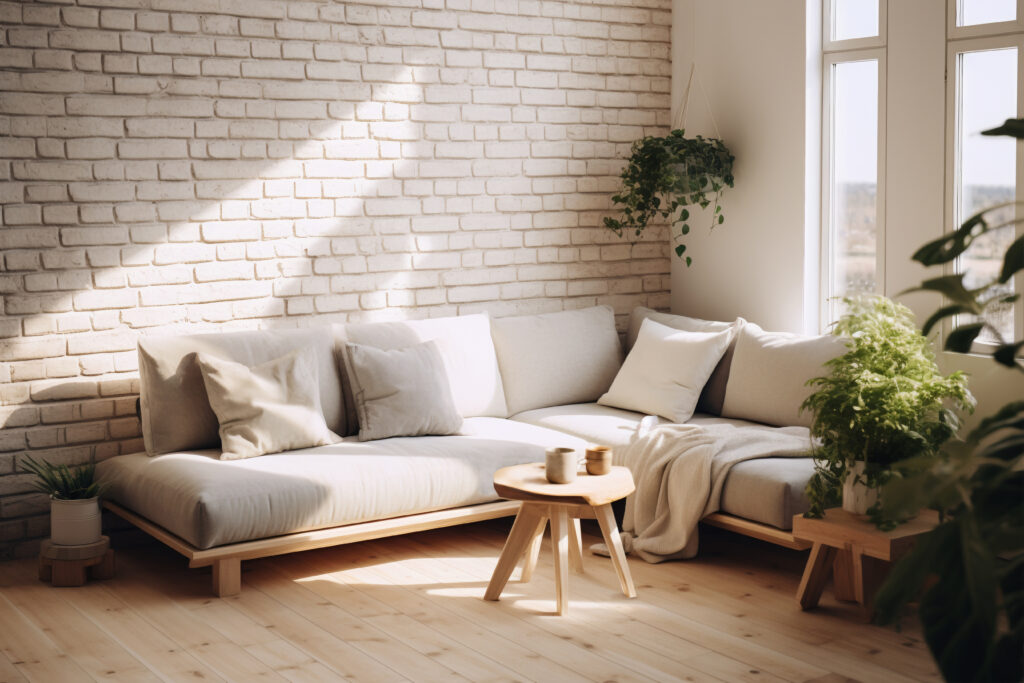
Once your basics are in place, it’s time to add personality. Textures and patterns bring dimension and warmth to a space.
Consider layering:
- Plush rugs
- Throw blankets
- Cushions in different fabrics
- Curtains
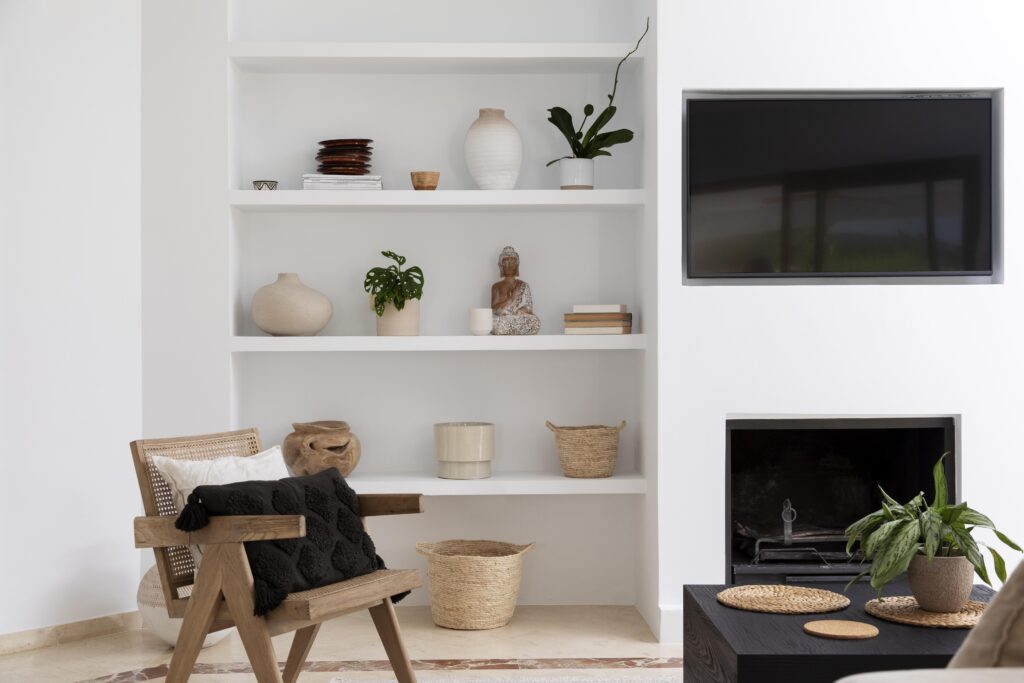
- Woven baskets
- Timber accents
- Artwork
Mix smooth and rough textures, matte and glossy finishes, subtle patterns and bold prints. This layering makes your home feel lived-in, cozy, and visually rich.
7. Lighting Will Make or Break the Room
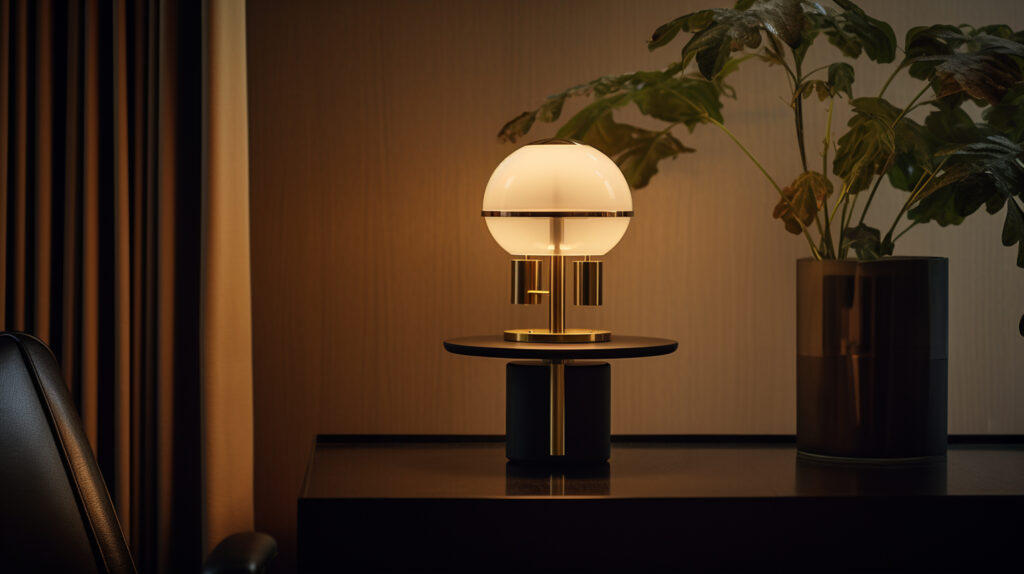
Lighting is often overlooked, but it has the power to elevate — or ruin — your entire design. Aim for three layers of lighting:
- Ambient lighting (overall illumination)
- Task lighting (for reading, cooking, working)
- Accent lighting (to highlight art, shelves, or architectural details)
Warm lighting creates a cozy atmosphere, while cool lighting works better in workspaces. And don’t forget natural light — maximise it whenever possible.
Final Thoughts
Interior design doesn’t need to be complicated. Start with understanding your space, choose a mood, and build your design slowly and intentionally. With the right planning — and tools like Wizlah to help you visualise your ideas — you’ll create a home that’s not only beautiful but also uniquely yours.