
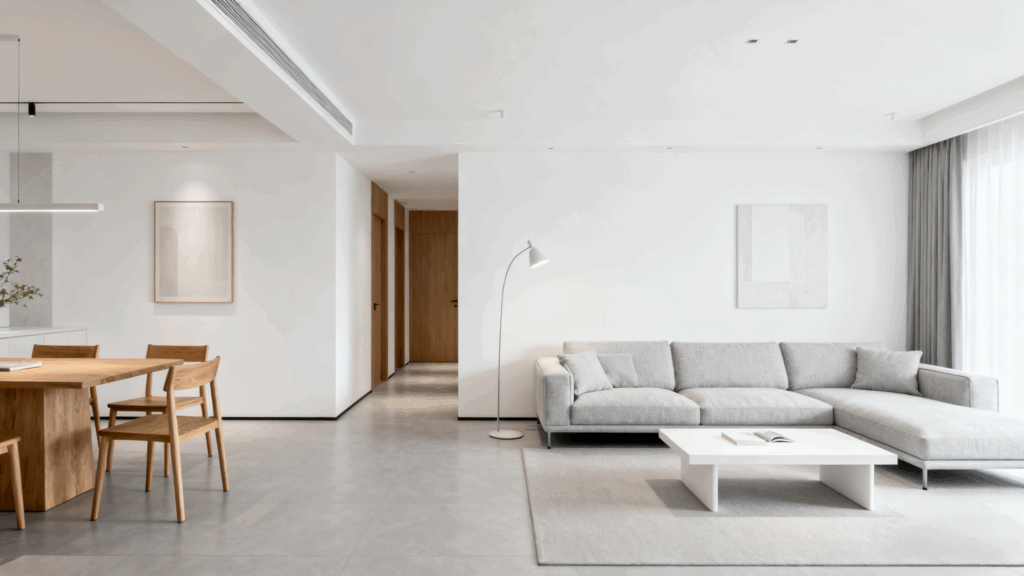
Designing your home for the first time can feel overwhelming. From choosing the right colors to arranging furniture, every decision matters. The basics of home decorating set (and follow!) the rhythm of lived life. Put into practice, this means knowing interior design basics helps you position a sofa so that conversation feels easy, or use lighting so that corners don’t feel forgotten.
Moreover, the basics of home interior decorating for beginners prevent costly mistakes that plague most homeowners. These timeless principles guide smart purchasing decisions and prevent the typical pitfall of impulse buying. When you recognize how elements work together harmoniously, your room develops a personality that looks professionally set。
1. Understand Space & Layout
Your room’s architecture creates natural zones that furniture shouldn’t fight against, unless you aim to achieve something intentionally weird. Even awkward architectural features like angled walls can become design opportunities when you work with them and turn a nuisance into a unique asset. Walls and openings tell you what’s possible—take them as the point zero. Windows can suggest where seating goes for the best natural light, while doorways determine organic traffic flow patterns.
Wizlah Tip: Boundaries First, Then Objects. View your floor plan on Wizlah and preview furniture placement in 3D. No guesswork, just accurate planning.
2. Choose a Color Palette
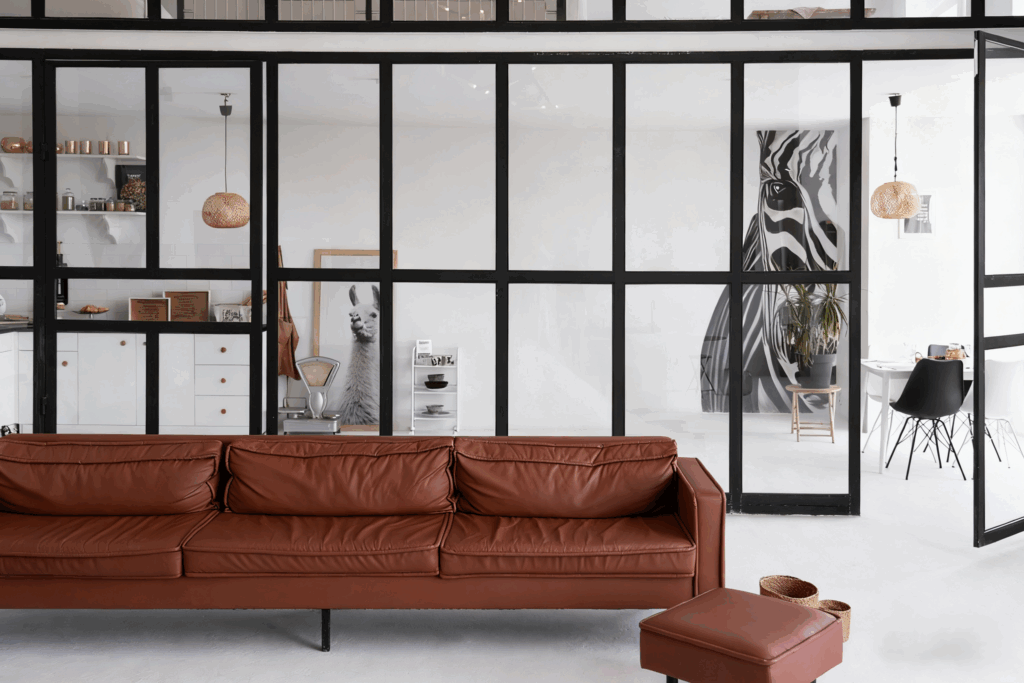
Color sets the mood of your home. Whether you want cozy, vibrant, or minimalist vibes, start by choosing a cohesive palette.
- Neutral bases (white, beige, grey) create a timeless backdrop.
- Accent colors (blues, greens, earthy tones) add personality.
- Consistency is key: Use 2–3 main colors across rooms for a harmonious look.
3. Set a Conversation Area
Most people push furniture against walls, thinking it maximizes floor space, but this setup can also kill natural conversation flow. If the room’s proportions allow, float seating pieces toward the room’s center, and create more intimate areas. Place a console table behind the sofa and use it for table lamps, decor, books, even drinks. Two chairs angled toward the sofa create those natural conversation triangles where guests actually want to sit.
Wizlah Tip: Use Wizlah to visualize, mark, and walk through your furniture arrangement to ensure smooth traffic flow before finalizing any placement decisions.
4. Playing With Lighting
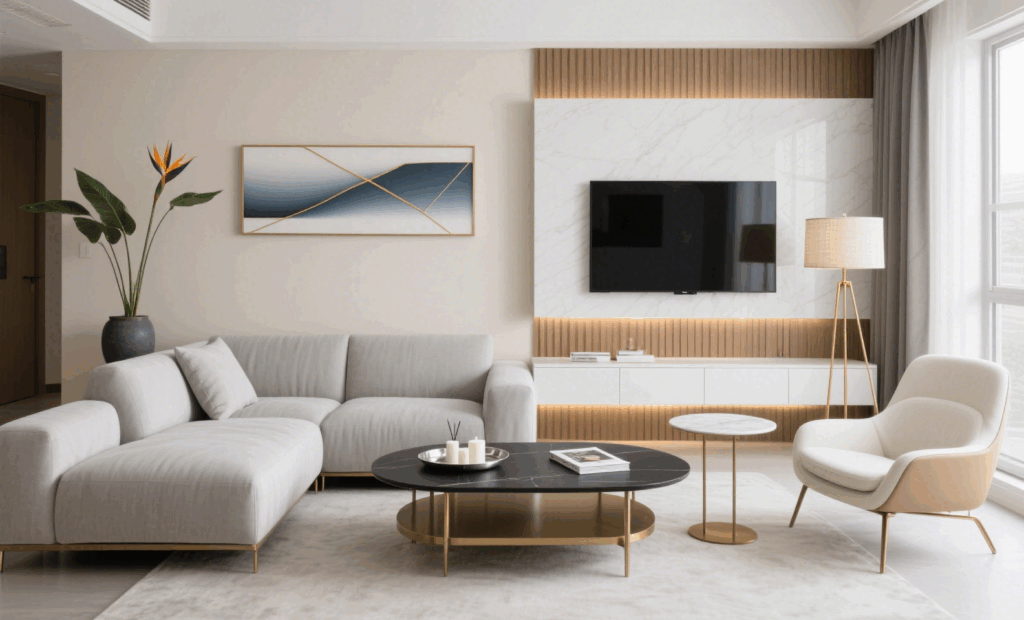
Lighting layers set the room atmosphere.
- Single overhead fixtures create harsh shadows that flatten every beautiful feature in your room.
- Table lamps and sconces provide those warm pools of light, perfect for cozy evenings.
- Floor lamps positioned behind seating eliminate overhead glare during reading sessions or movie nights
- Under-cabinet lighting accentuates the boundaries and illuminates work surfaces.
5. Mix Texture & Materials
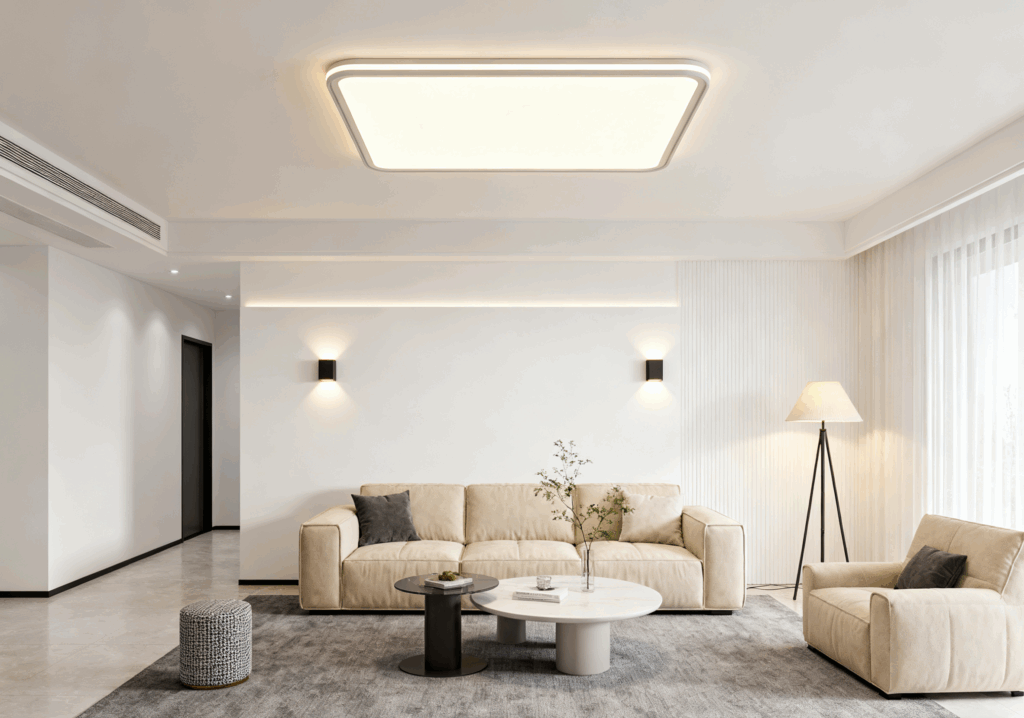
A flat design can feel lifeless. Texture adds depth and character.
- Pair soft fabrics (rugs, cushions) with hard surfaces (wood, metal, stone).
- Add natural elements like rattan, linen, or plants for warmth.
- Use mirrors and reflective surfaces to expand small spaces visually.
6. Establish Focal Points
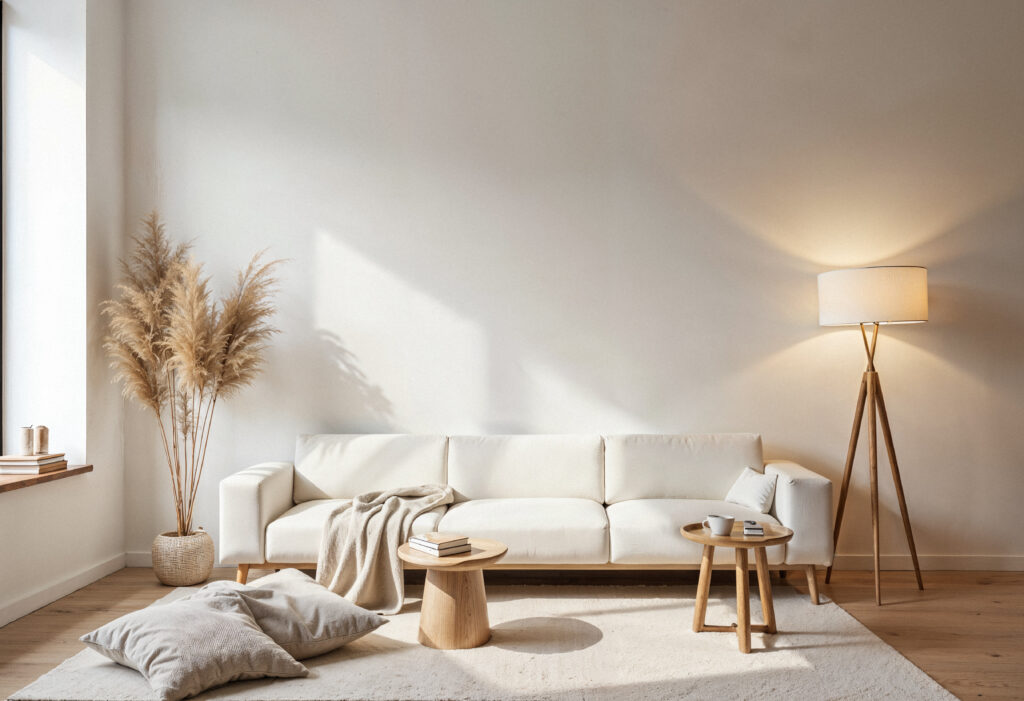
Every room needs one clear focal point that immediately catches attention when someone enters. This could be a statement wall, beautiful artwork, or an interesting furniture piece that anchors the entire design scheme. Everything else should support and enhance this main attraction rather than fight with it. The reason is simple: when you have multiple, competing focal points, your eye doesn’t know where to land, and the result is either a sense of clutter or complete visual chaos.
7. Scale & Proportion for Furniture Selection
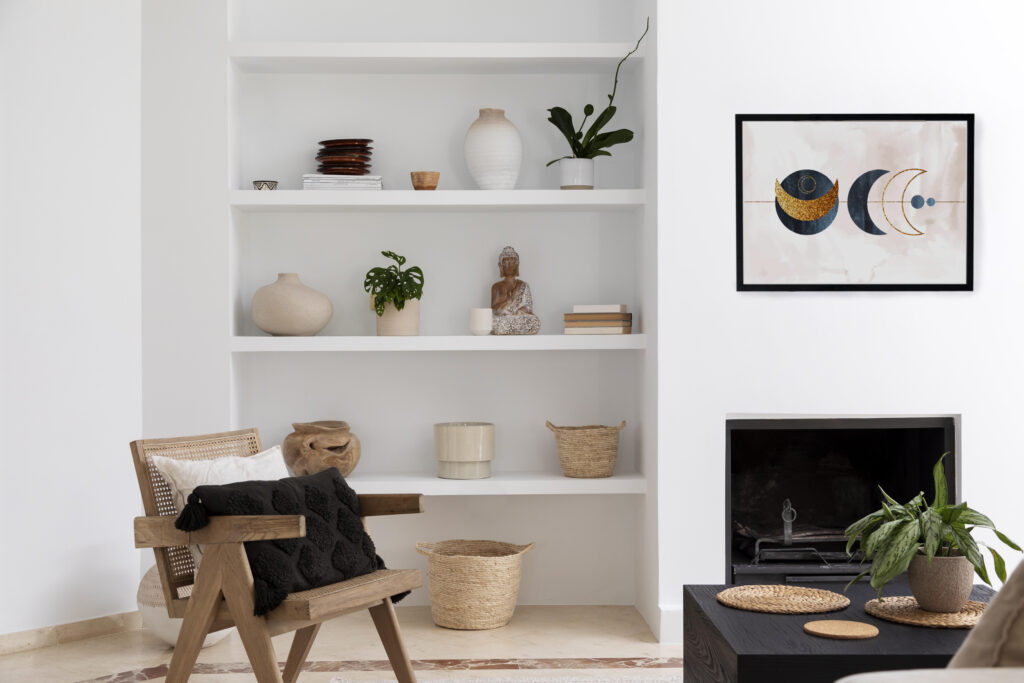
Getting proportions right makes even budget furniture look designed. According to interior design basics, your sofa should occupy roughly two-thirds of your wall length to establish proper visual anchoring. Coffee tables work best when they measure about two-thirds the length of your sofa. Ceiling height affects furniture scale too – low ceilings need lower profile pieces, while high ceilings can handle taller, more substantial furniture.
Wizlah Tip: Visualize your furniture placement in 3D with actual measurement on Wizlah. No more guess work, what you see is what you get!
8. Start Simple & Build Over Time
Interior design isn’t a one-day project. Begin with essentials and layer on decor as you live in the space.
- Focus on big-ticket items first (sofa, bed, dining table).
- Add smaller decor pieces gradually to avoid overwhelm.
- Don’t rush—your style will evolve over time.
Final Thoughts
Interior design is about balance—between beauty and function, personality and practicality. By starting with the basics, you can create a space that feels inviting, functional, and truly your own.
👉 Ready to bring your vision to life? Upload your floor plan on wizlah.com, design your home in 3D, and even shop furniture that fits—your dream home starts here.